
Read Esther 5:9–14.
His wife Zeresh and all his friends said to him, “Have a pole set up, reaching to a height of fifty cubits, and ask the king in the morning to have Mordecai impaled on it. Then go with the king to the banquet and enjoy yourself.” This suggestion delighted Haman, and he had the pole set up. (Esther 5:14)
Years ago, when my son Jude was still quite young, I told him not to touch the stove, no matter what. Even if it doesn’t look hot, things aren’t always what they seem, so I told him it’s better just to steer clear of the stovetop, especially if Mommy or Daddy are in the kitchen cooking.
As kids are prone to do, one day Jude couldn’t resist the temptation to do something just he knew he wasn’t supposed to do. While I was chopping vegetables at the countertop, he waltzed over to the stove and touched a pot that was seated on the burner. A moment later, I heard him scream. Thankfully, the burner had been off for a few minutes, so the burn Jude received was only superficial—no medical attention required. Still, my boy learned a powerful lesson: sometimes sin is its own punishment.
In the book of Esther, we read about Haman, a royal official who simply hated Mordecai, Esther’s cousin. After hatching a plan to exterminate all the Jews in the empire, he went one step further, constructing a gallows on which to hang Mordecai. Later in the book, though, it’s Haman who is hanged from those gallows. In his own rage, he created the implement of his own death.
Our sins may look different than Haman’s, but they still take a toll on our humanity, chipping away at the persons God created us to be. Sin isn’t just wrongdoing that deserves judgment—either on the cross of Christ or at the end of history—it is also, by its very nature, harmful to who we are. The reason God commands us to avoid sin is that He wants what’s best for us, and sin is never in our best interest. We may not wind up executed on a device of our own sinful making, but none of us escapes the poison of sin. It’s always harmful. Always.
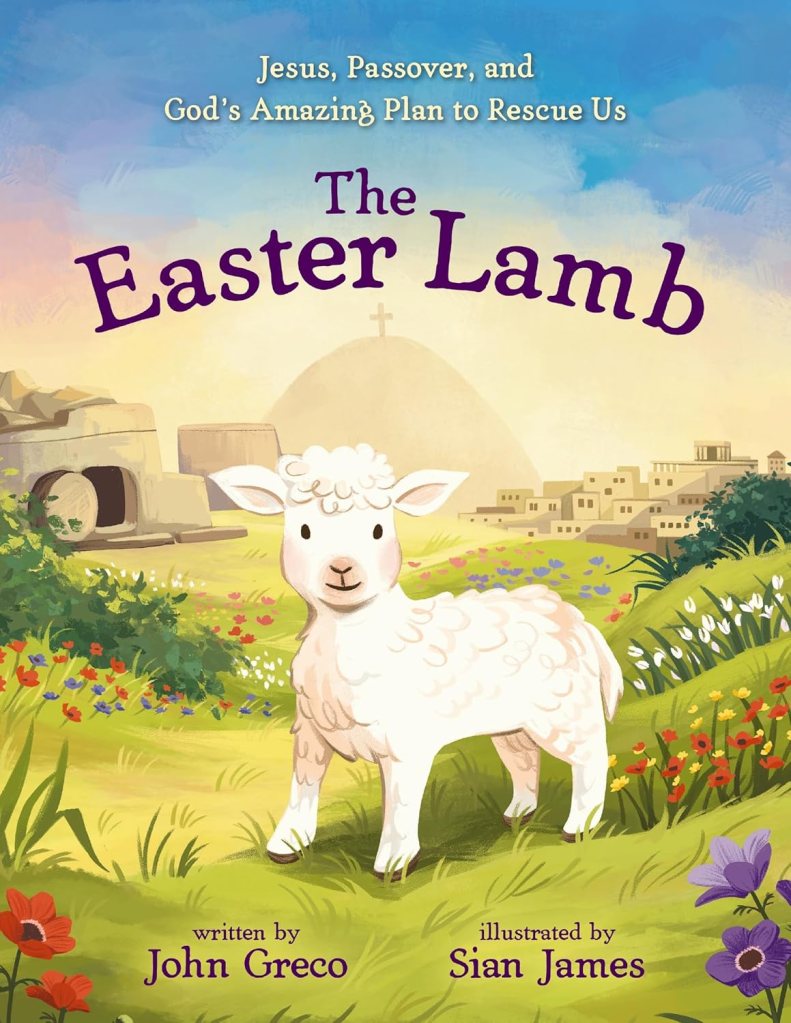
As you probably know, one of my biggest passions is to help people understand and connect with the story of redemption. My latest book was written to help kids see how Passover forms the background to Good Friday and Resurrection Sunday—to help them fall in love with God’s beautiful heart. It’s called The Easter Lamb, and it’s available now.
If you’ve already read it (hopefully with your littles), would you do me a favor and leave a review on Amazon? Those reviews help others find the book. It’s one of the best ways you can support my writing. Thanks in advance!
 Pages of Joy // John Greco
Leave a comment